lunes, 18 de marzo de 2019

DOMESTIC POLICY (Felipe IV)


DOMESTIC POLICY


-Philip had inherited a huge empire from his father, spanning the known world, but many of his most difficult challenges as king would stem from domestic problems in Spain itself. Spain in the early 17th century was a collection of possessions.
-The kingdoms of Castile, Aragon, Valencia and Portugal the autonomous provinces of Catalonia and Andalusia, complete with the wider provinces of Naples, the Netherlands, Milan etc.
-All loosely joined together through the institution of the Castile monarchy and the person of Philip.
 In the first years of his reign, heavily influenced by his royal favourite Olivares, Philip focused on efforts to reform the most chaotic aspects of this system.


Royal Coat of Arms of Spain (1580-1668).svg

ECONOMIC PROBLEMS:
 
-Philip had clear intentions to try to control the Spanish currency, which had become increasingly unstable during the reign of his father and grandfather, but in practice, inflation soared.
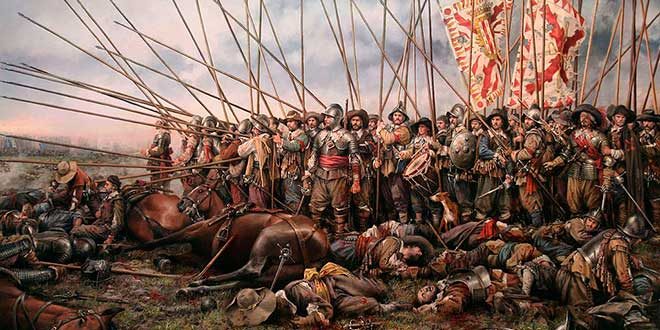
By the 1630s, Philip's domestic policies were being increasingly impacted by the financial pressures of the Thirty Years' War, and in particular the growing war with France. The costs of the war were huge, and whilst they had largely fallen upon Castile, the ability of the crown to raise more funds and men from this source was increasingly limited.

-Philip and his government were desperately trying to reduce the responsibilities of central government in response to the overstretch of the war, and various reform ideas that might have been pursued during the 1620s were rejected on this basis.





BIOGRAPHY( Felipe IV)


 BIOGRAPHY

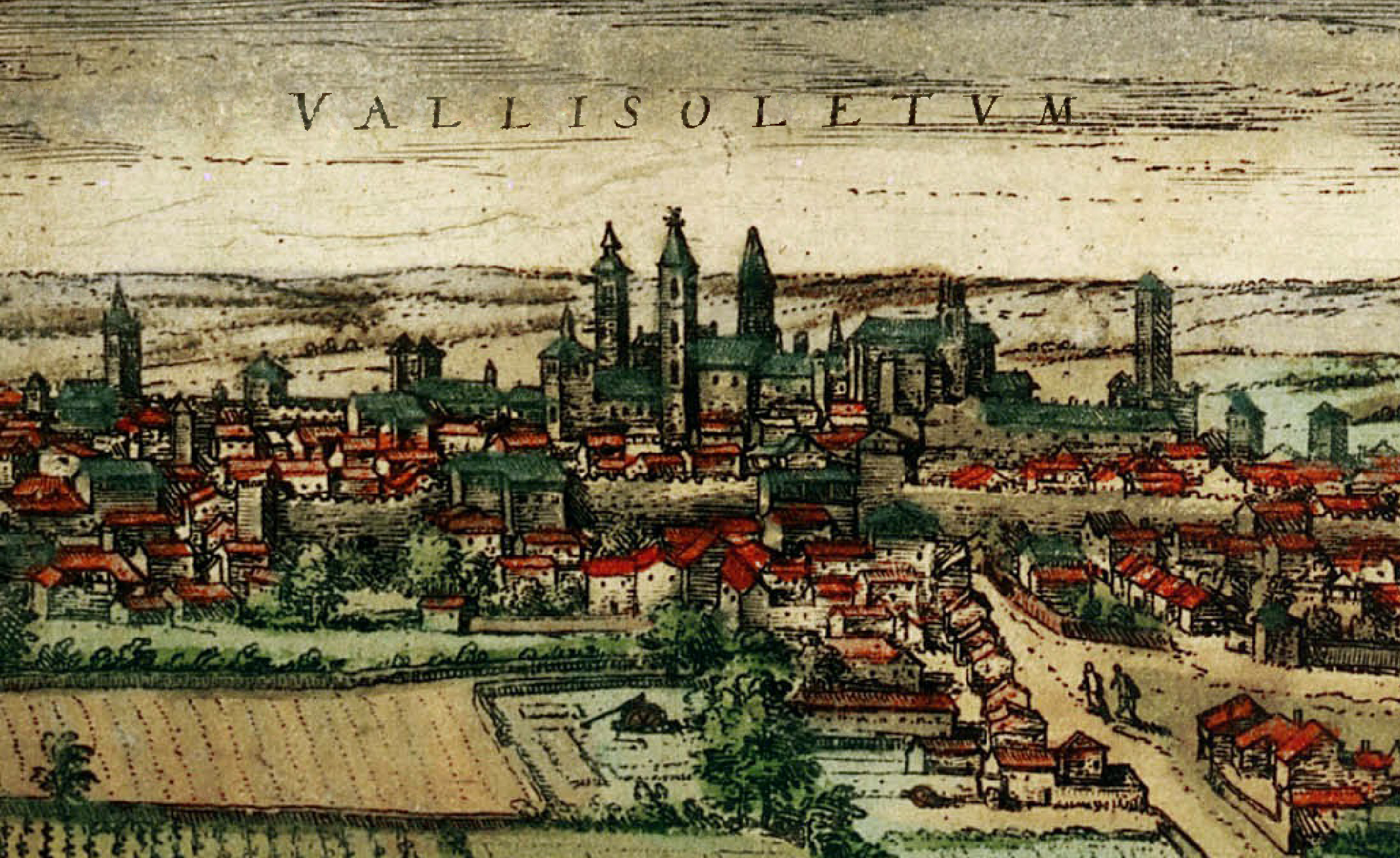
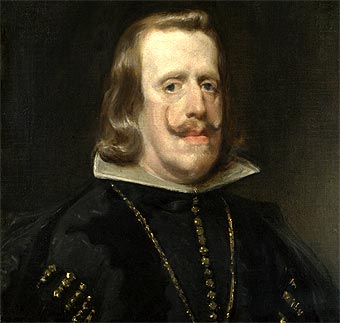
- Philip IV was born in Valladolid (1605) he became King of Spain around 1621 and 1665, son and successor of Philip III. He was also called "the great one". He was maried with Mariana de Austria

-During the long and crucial reign of Philip IV the Spanish monarchy, on the slope of economic and political decline, lived the last splendors of the Golden Century and had to accept the loss of hegemony in Europe, after exhausting wars and a serious internal crisis.

-Felipe IV ceded the affairs of State to be valid, among which highlighted Gaspar de Guzmán, count-duke of Olivares.


-Philip IV "the Great" died in Madrid on September 17of 1665, at 60 years of age, after having reigned for forty-four years. He left a weak heir physically and mentally and a regent, Mariana of Austria, young and politically inexperienced.
 
 Resultado de imagen de muerte felipe 4


domingo, 17 de marzo de 2019

CULTURE

This era was also known as the Golden Age:

Golden Century Characteristics:

  • The ideological values of those who controlled power are exalted.
  • The absolute monarchy and the counterreformist church.

  • Look for dramatic and theatrical effects, because when addressing a village of scarce culture, the message had to be simple in its content.

  • The dominance of the counterreformist religious mentality against the advances of Protestantism.

  • In artistic manifestations will dominate realism, pain, drama whose purpose is to awaken feelings and emotions among people.

Literature:

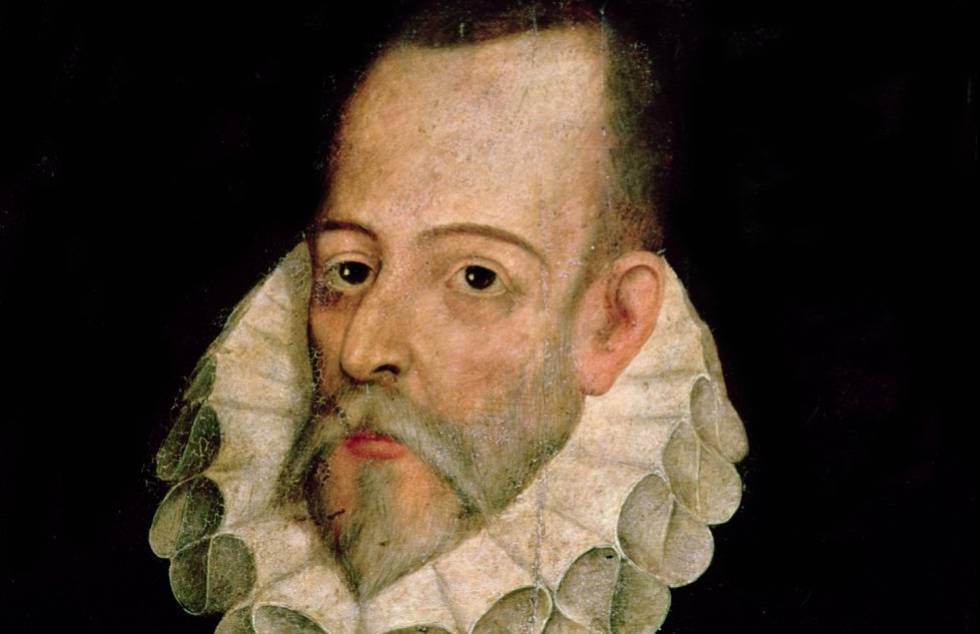
  • Novel: A very important writer was Miguel de Cervantes, he wrote El Quijote in 1605. Another was Quevedo who wrote El Buscón.
Resultado de imagen de cervantes

(Miguel de Cervantes)
  • Baroque Poetry: there was a wide display of popular and cult forms: Góngora, Lope de Vega or Quevedo.
Resultado de imagen de lope de vega

(Lope de Vega)
  • The theater will play a wide range of themes: burlesque, tragedies, comedies. Among the most important authors were Lope de Vega, Tirso de Molina and Calderón de la Barca.
Resultado de imagen de calderon de la barca

(Calderón de la Barca)

  • The scenarios will be comedy pens for popular themes. They were made in the palaces and gardens for the courtly representations and in the churches and temples.

Art:
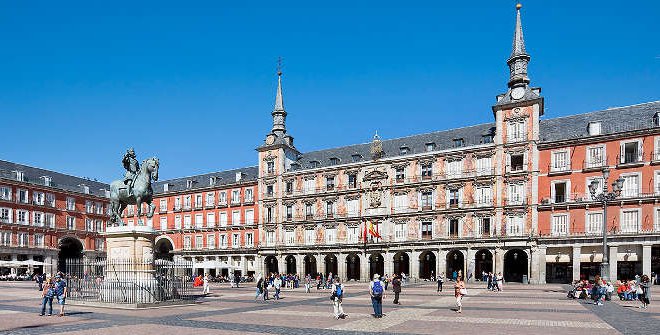
  • Architecture: the poverty of materials will prevent large constructions but this will be compensated by too many sets in works such as the Plaza Mayor of Madrid or Salamanca.
Resultado de imagen de plaza mayor de madridç
                                                        (Plaza Mayor of Madrid)


Resultado de imagen de plaza mayor de salamanca

                                                         (Plaza Mayor of Salamanca)
  • Sculpture: the religious theme and the works in wood and marble are fundamental. Authors such as Pedro de Mena, Juan Martinez, Gregorio Fernandez, Alonso Cano, etc. with their works will express a way of living religiosity.
Resultado de imagen de gregorio fernandez
(Gregorio Fernandez)
  • Painting: it will be a century of great brilliance. Painters like Zurbarán, Veláquez, Murillo, Ribera ...
Resultado de imagen de murillo
(Murillo)

Resultado de imagen de velazquez
(Velázquez)


SOCIETY

The society of the seventeenth century was still a pyramid society.

Imagen relacionada


  • Privileged social classes:
  • King: Around the whole society revolved. The closer you were to him, the more important you were.
Resultado de imagen de FELIPE iii siglo XVII

  • The nobles with title: It was a very close group, for its greatness. Normally, they also owned manors. The bought of titles was a common practice.

  • The knights with lordship: The wealthy knights owners of a manor were those who more easily happened to have title, because within the nobility, the hierarchy was established according to the degree of wealth.

  • The hidalgos and squires: The hidalgos constituted the lowest estate of the nobility scale. They did not have titles, but, on the other hand, they kept some noble privileges, such as tax exemption.
Resultado de imagen de hidalgos siglo XVIIÇ


  • The urban classes:
  • Main people: They were great merchants who supplied the cities and the court
  • High civil servant: These were state officials, real secretaries, magistrates, counselors, judges, scribes ...
Resultado de imagen de JUECES siglo XVII 
  • Small traders : They owned small businesses that lived from that commercial activity. His income was not very high.

  • Rural classes:
    Resultado de imagen de campesinos ricos siglo XVII
  • Rich farmers: A small sector (5%) and very powerful in  the city.

  • Small traders: They owned small businesses that lived from that commercial activity. His income was not very high


  • The outcasts
Beneath the productive social classes there lived  an abundant group of marginalized, among which stood out the rogue.

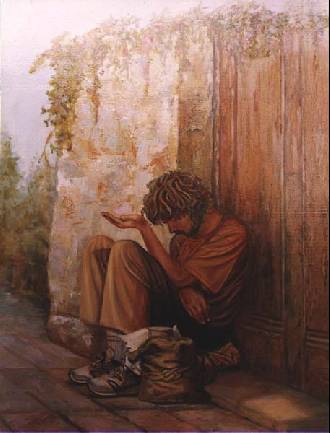
  • Beggars: Begging was regulated.
Resultado de imagen de mendigos siglo XVII

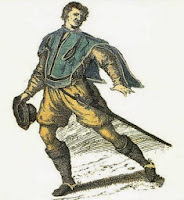
  • Thieves: According to their way of working, they were grouped into different classes: cicatrists, devotees, apostles, satyrs, capeadores ...

Resultado de imagen de ladrones siglo XVII


ECONOMY

Economically there were several problems.

  • The introduction of the fleece coin (mixture of silver and copper) that was used in purchases and sales in the interior of Spain. Manipulations of this currency were carried out, consisted in removing the silver from the coin to use them for other benefits . The fleece lost its validity.
Resultado de imagen de vellon monedas
  • Due to the large amount of precious metals coming from America there was an inflation. This did not worry rich Spaniards.
    Resultado de imagen de metales preciosos del siglo XVII
  • Felipe III found empty money boxes for the enormous cost of wars and the enormous amount of precious metals brought from Seville created a demand for luxury items, which were made outside the peninsula.

For these 3 causes in 1607 there was a suspension of payments by the real power to not be able to return the debts. To resolve this situation Felipe III gave the bankers titles of public debt in exchange for credits.

  • The duke of Lerma bought a large number of houses, palaces and land in Valladoliz very cheap. He changed the court to Valladoliz and everyone bought him the most expensive lands. With that money he bought land in Madrid and changed the court again to Madrid, raising the prices of the houses and obtaining great wealth.

Resultado de imagen de CORTE DE VALLADOLID el siglo XVII

sábado, 16 de marzo de 2019

DOMESTIC POLICY

Felipe III, left to exert the power t)o Duke de Lerma. 
He did not exercise it by virtue of an official position, but through the friendship and trust that the king granted him.
These types of people were called valido.

Imagen relacionada
(Duke of Lerma)

 The existence of valido was common in seventeenth-century Europe.

The policy of the Duke of Lerma was aimed at :
  • Maintaining international peace
  • Expelling the Moriscos 
  •  Their desire for personal enrichment.

 In the religious sphere, with Felipe III greatly increased the foundation of monasteries and the company of Jesus, was favored by the monarch and increased his influence in the court and in society.

Imagen relacionada

Throughout the reign institutional reforms were followed to solve the problems of: apart from the changes introduced in the traditional system of Councils, the recourse to the Juntas was increasingly extended.


viernes, 15 de marzo de 2019

FOREIGN POLICY

Pacifist:

He tried to end the wars to improve the economy
  • Peace with England after the death of Queen Elizabeth I
  • The death of the French king Enrique IV supposed the aim of a potential enemy, his widow Maria de Medeci was in favor of the friendship that sealed the marriage of its son Luis XIII with Ana of Austria and the one of Isabel de Borbón with Felipe.
  • Truce with the united provinces "Truce of the twelve years" this period of peace ended in 1618 at the beginning of the war of 30 years.


Resultado de imagen de guerra de los 30 años


When Felipe III arrived at the reign the income of Spain was around 2 million ducats. However, these revenues were almost exclusive to trade with America. They began to demand products that Spain could not get. This led to America looking for other countries to obtain them. For Spain, this had serious consequences, the income began to decrease exponentially. Thanks to Felipe III had saved all the money entered during previous years could finance foreign policy.